
How to choose an exceptional miniature puppy: the essential criteria of a luxury breeder
February 16, 2026
Complete guide: choosing a miniature puppy for your urban life (Pomeranian Spitz, Toy Poodle, Maltipoo)
February 23, 2026Miniature dog, big life: our best practices for its health and happiness
A miniature dog brings immense joy, but its small size requires special attention. Looking after its health and ensuring its happiness isn't something you can just wing, especially with breeds like the Pomeranian or the Toy Poodle. Here, you'll find practical advice to give your miniature puppy a peaceful and balanced life, from nutrition to appropriate exercise. Follow us to discover how to make your companion a true treasure in perfect health. For more information, you can consult this link.
Miniature Dog Health
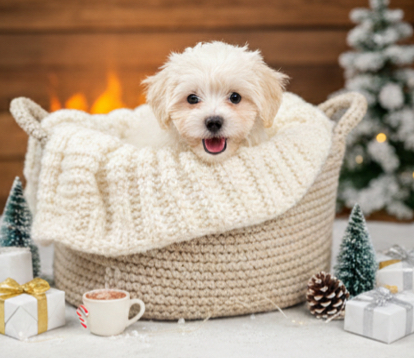
Caring for a miniature dog isn't just about cuddles; it's a commitment to its overall health. Here's how to ensure your little companion has a long and happy life.
Food and Nutrition
A miniature dog's diet plays a crucial role in its health. These small dogs need meals specially formulated for them. Small dogs have a fast metabolism, small breeds require nutrient-rich food. Be sure to choose kibble designed for small breeds. It's not only adapted to their jaw size but also to their energy needs. For more advice, visit Blue Buffalo.
You can also include quality protein, healthy fats, and vegetables. Avoid foods that are too fatty or sugary, as this could negatively impact their health. Always keep fresh water available to prevent dehydration.
Essential Veterinary Follow-Up
Regular veterinary checkups are essential for the health of your miniature puppy. Veterinary visits allow for the detection of potential health problems before they become serious. Make sure your puppy is up-to-date with its vaccinations. This is crucial for its protection against common diseases.
Don't forget to talk to your veterinarian about dental care. Small breeds are often prone to dental problems, and good maintenance can prevent these issues. To learn more about small dogs and their health, visit [website address]. SantéVet.
Adapted Exercises
Even the smallest dogs need exercise to stay healthy. The exercise should be tailored to their size and energy level. Short walks, fetch games or even training sessions are perfect. These activities stimulate their minds and maintain their physical fitness.
Be careful not to overexert them. They may be full of energy, but they need regular breaks to avoid fatigue. Adapting their exercise to their daily energy level is key.
Happiness and Well-being
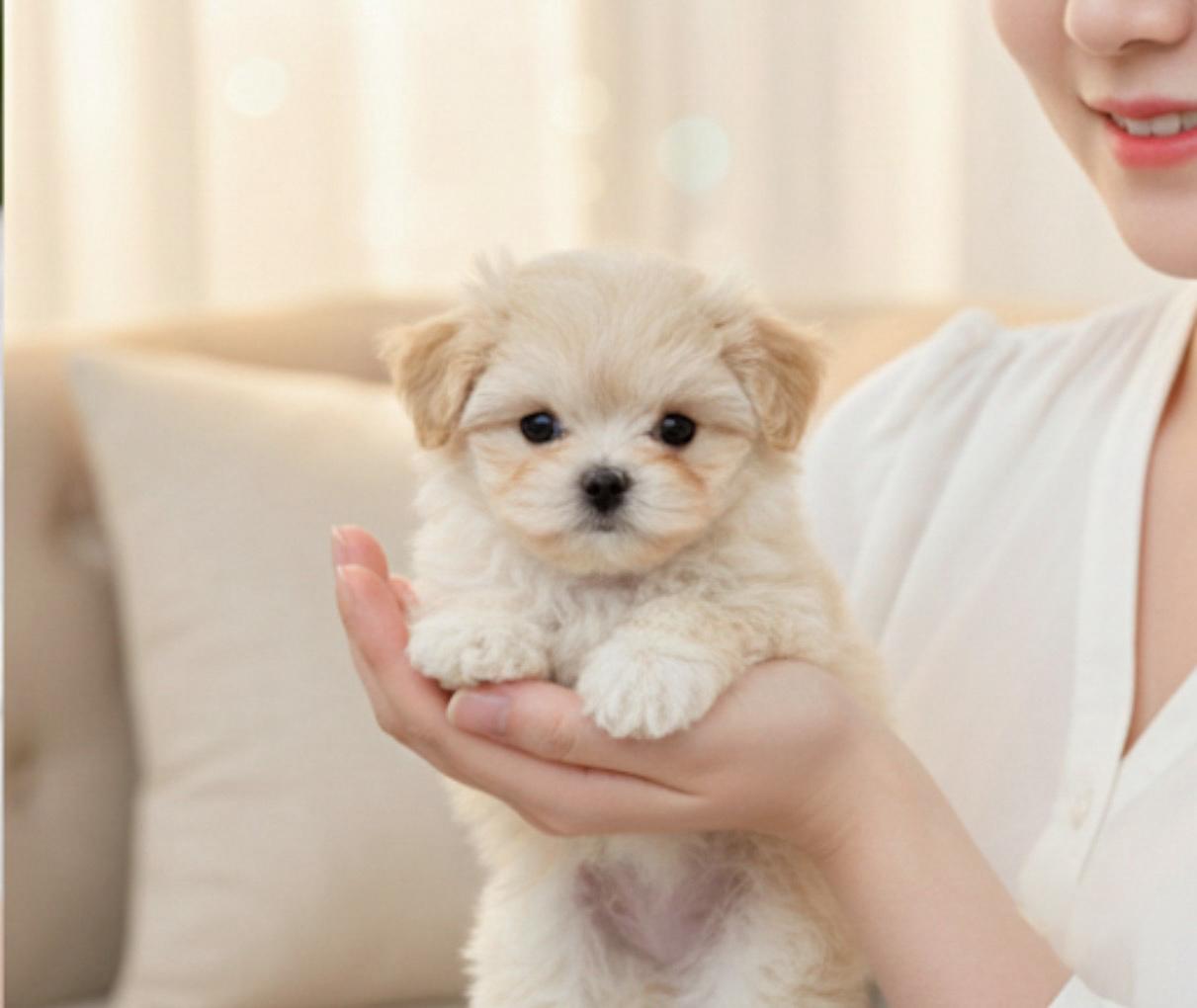
Ensuring your miniature dog's happiness contributes to their overall well-being. Here's how you can enrich their daily life.
Miniature Puppy Socialization
Socialization is essential for a well-balanced puppy. Exposing your puppy to various people, animals, and environments from a young age promotes balanced behavior. Dog parks are a great option for meeting other dogs.
A well-socialized dog is less likely to develop problem behaviors, such as anxiety or aggression. Regular interactions boost their self-confidence and their ability to handle new situations.
Positive Education and Games
Positive reinforcement is key to training an obedient and happy dog. Use healthy treats and praise to reward good behavior. Miniature dogs are often intelligent and responsive, making training fun and effective.
Games are also crucial. They help to mentally stimulate your dog and strengthen your bond with them. Think of games like hide-and-seek or fetch, which are both fun and educational.
Ideal Daily Routine 🐾
A stable routine provides your dog with a sense of security. Meals, walks, and games should be scheduled at regular times. This helps your dog understand what to expect each day, reducing anxiety.
Include moments of relaxation, such as cuddles or massages. These quiet moments are just as important as more vigorous activities for their well-being.
Tips for Apartment Living
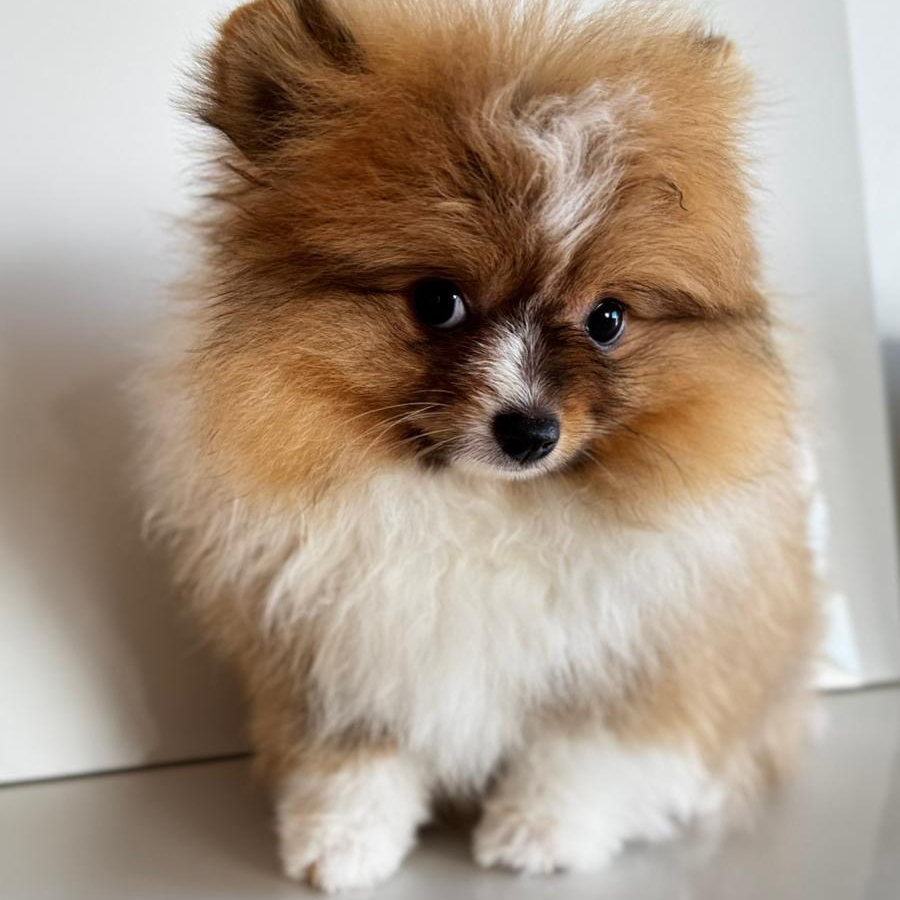
A miniature dog can thrive in an apartment with a few adjustments to ensure its comfort and happiness.
Living Space and Comfort
Miniature dogs don't need a lot of space, but they do require a comfortable place. A cozy corner with a blanket or a cushion is often enough to make them happy. Ensure that this space is protected from drafts and excessive noise.
Avoid changing their space too often, as this can upset them. A stable environment contributes to their comfort and sense of security.
Hypoallergenic Grooming and Coating
Grooming is an essential part of caring for small dogs, especially those with hypoallergenic fur like the Toy Poodle. Regular brushing prevents knots and keeps their coat healthy. Professional grooming may be required every two months depending on the breed.
In addition to their beauty, these breeds also help reduce allergens in the home, making life more pleasant for you and your dog. To learn more about hypoallergenic breeds, explore Royal Canin.
Toys and Mental Stimulation 🏠
Toys are not just a luxury, they are vital for mental stimulation. Puzzles and interactive games keep your dog's mind alert and engaged. Choose toys that are the right size for them to avoid any risk of suffocation.
Regularly changing your dog's toys helps keep them motivated and curious. A busy dog is often a happy and content dog. For toy ideas, see Hill's Pet.
In short, giving your miniature dog a wonderful life is within reach with these practical tips. You're now ready to create a healthy and happy environment for your four-legged friend.